What Happens to the Brain When the Eyes Fail to Work Together?
At Eyecare Kids, we understand how important your child’s visual development is for learning, behaviour, and overall well-being. Our caring optometrists are trained in behavioural optometry to help manage vision issues that may affect your child’s day-to-day life.
Why Bring Your Child to a Behavioural Optometrist?
Behavioural optometry considers not only the clarity of sight, but also how the eyes work together with the brain to process visual information and meet your visual demands. Behavioural optometrists can also look at how visual issues may impact your child’s learning, concentration, and behaviour.
Our optometrists take the time to understand your child’s specific needs, whether they’re struggling in school, having trouble focusing, or displaying signs of visual stress. With a thorough approach to your child’s eye health, we can provide a tailored treatment plan to improve both their vision and quality of life.

How Are Behavioural Optometrists Different from Regular Optometrists?
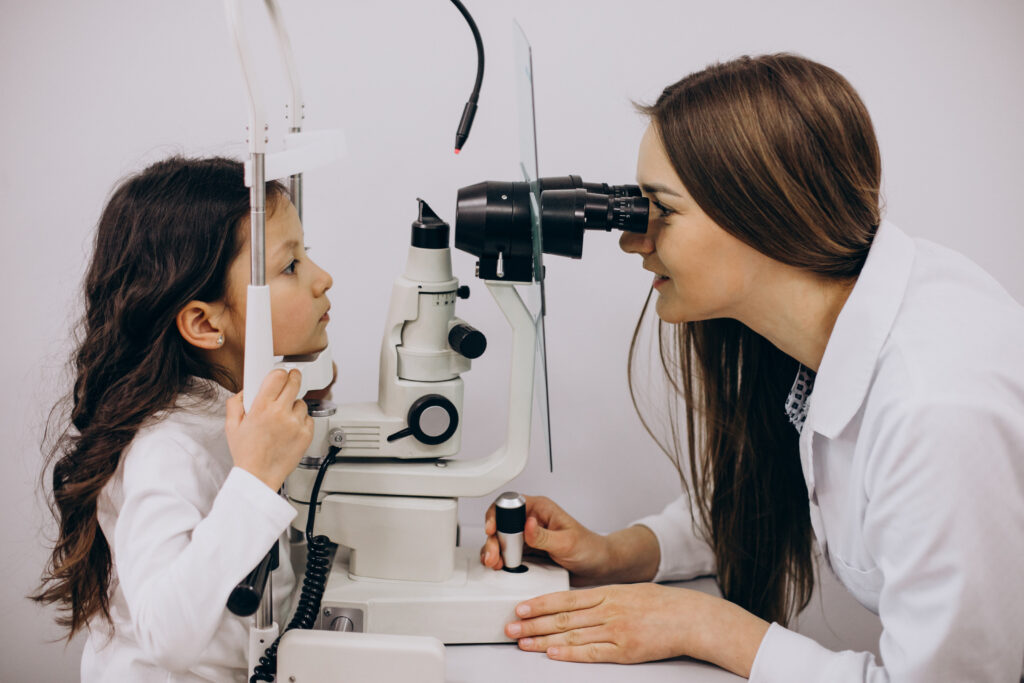
While traditional optometry focuses mainly on refractive issues like short-sightedness, long-sightedness, and astigmatism, behavioural optometry goes a step further by examining how your child’s visual system impacts their day-to-day functioning.
A behavioural optometrist assesses eye movements, eye teaming, focusing skills, and visual processing, all of which can affect learning and behaviour.
Conditions That May Benefit from Behavioural Optometry
Several conditions can benefit from behavioural optometry, including:
- •
Struggles with reading, writing, or focus that may be linked to vision. - •
Complaints of headaches, tired eyes, or trouble focusing, especially after reading or screen time. - •
Eyes not working together to focus on close objects, causing double vision or eyestrain. - •
Poor focus, short attention span, or behavioural concerns potentially related to visual difficulties.
- •
Difficulty with sports or tasks requiring hand-eye coordination. - •
Difficulty following moving objects or tracking lines while reading. - •
A weaker eye causing depth perception and focus issues.
How our Behavioural Optometrists can help
Our optometrists provide a thorough eye exam and use a range of specialised tests to assess how your child’s eyes and brain work together. From there, we create a personalised treatment plan designed to improve your child’s vision and overall well-being. Here’s how we help:
Comprehensive Visual Assessment
A thorough assessment of your child’s visual skills, including eye tracking, eye teaming, eye focusing and visual processing.
Specialised Lenses
Specialised lenses that can help with eye teaming issues and alleviate symptoms like double vision or eye strain.
Personalised Vision Therapy
Personalised Vision Therapy designed to target specific visual difficulties, such as improving convergence or tracking ability.
Neurological Vision Care
Assessment and management of visual issues associated with health and neurological issues such as concussion, whiplash and stroke.
Follow-Up Appointments
Regular follow-up appointments are essential to monitor your child’s progress and adjust the treatment plan as needed. Our team will track their improvements and make any necessary changes to ensure the best possible outcome.
Why Early Intervention Matters
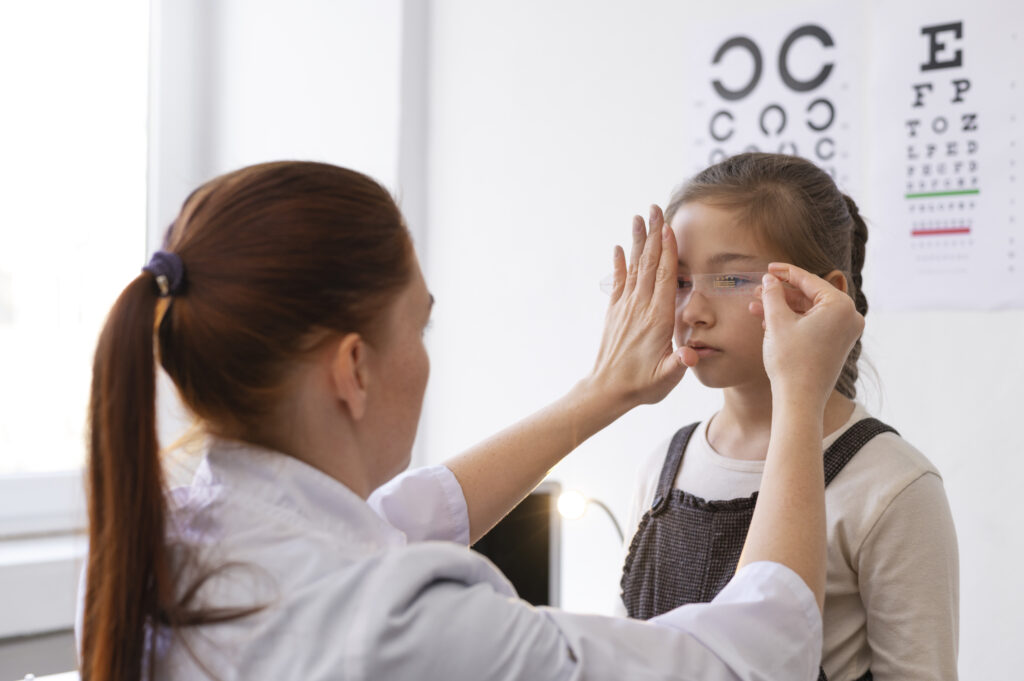
The earlier visual issues are detected, the easier they are to treat. Behavioural optometry can have a significant impact on your child’s ability to focus, learn, and engage with their environment.
Early intervention provides the best chance for lasting improvements and ensures your child reaches their full potential.
Book an appointment today
If you’re concerned about your child’s vision, don’t hesitate to book an appointment with us. Our caring optometrists will guide you through every step of the process, providing personalised care tailored to your child’s needs.